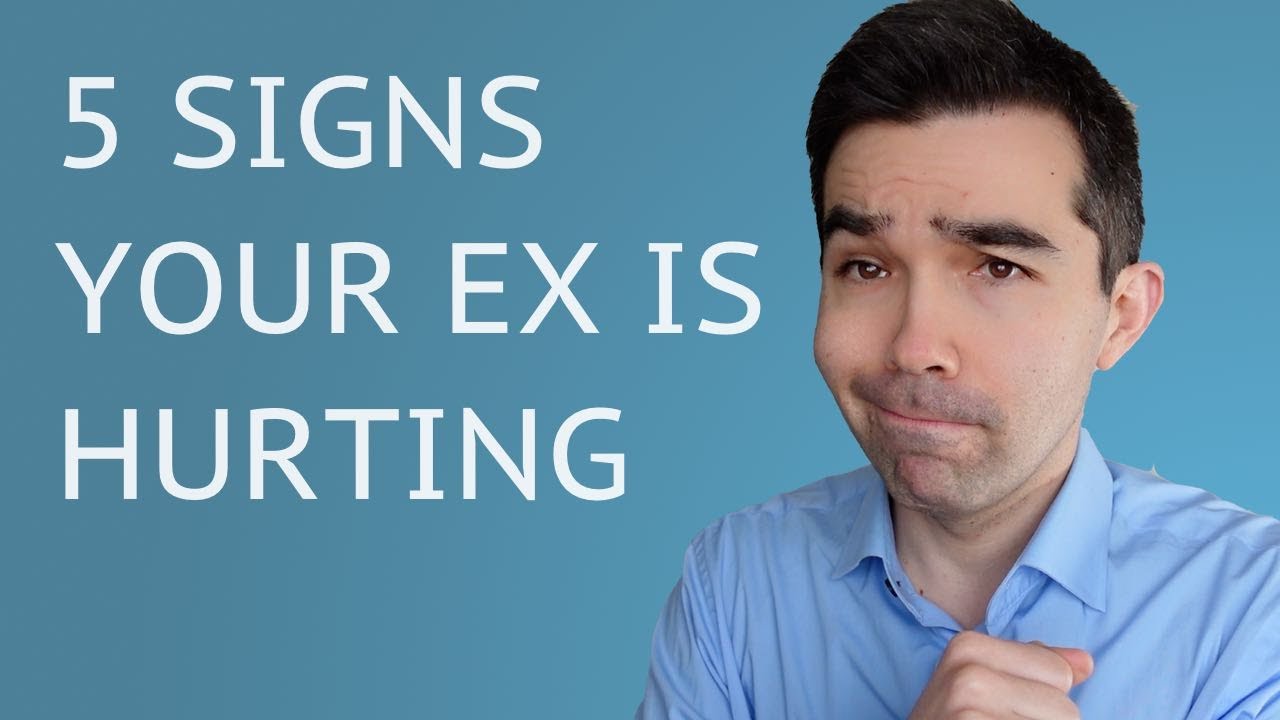
Navigating the Emotional Rollercoaster After a Breakup
Okay, so you've gone through a breakup. Ugh, I know, it totally sucks. There's no sugarcoating it. Whether it was a mutual decision, a blindsiding shock, or a slow, painful fade-out, the aftermath is rarely pretty. You're probably feeling a whole mess of emotions right now, and that's perfectly normal. Let's dive into what you might be experiencing and how to navigate this messy, emotional terrain.
The Usual Suspects: Common Post-Breakup Emotions
First things first: don't beat yourself up for feeling whatever you're feeling. There's no right or wrong way to grieve the end of a relationship. You might be experiencing some (or all!) of these emotions:
- Sadness: This is a given. You've lost someone you cared about, and that loss is real. Allow yourself to grieve. Don't try to rush the process.
- Anger: Anger is a powerful emotion, and it's completely valid. You might be angry at your ex, at yourself, or even just at the whole situation. It's okay to feel angry â€" just find healthy ways to express it (more on that later!).
- Confusion: Breakups can be disorienting. You might feel lost, unsure of yourself, and unsure of the future. This is especially true if the breakup was unexpected.
- Relief: Believe it or not, some people experience relief after a breakup, especially if the relationship was toxic or unhealthy. Don't discount this feeling; it's just as valid as any other.
- Loneliness: This is particularly tough, especially if you shared a lot of time with your ex. Suddenly, your routines and your social life might feel very different.
- Anxiety: Worrying about the future, about being alone, about finding someone new â€" anxiety is a common companion to heartbreak.
- Guilt: Maybe you feel like you could have done things differently, or that you somehow contributed to the breakup. Guilt is a tough one, but try to be kind to yourself.
- Jealousy: Seeing your ex move on can trigger intense jealousy. Remember to focus on your own healing and growth.
Understanding the Stages of Grief (It's Not Just for Death!)
While we don't typically associate grief with breakups in the same way we do with death, the emotional process is remarkably similar. You might cycle through these stages, and that's okay. There’s no set timeline:
Denial:
This is often an initial reaction. You might refuse to believe the relationship is actually over, clinging to hope or minimizing the impact of the breakup.
Anger:
As the reality sinks in, anger often surfaces. This might be directed towards your ex, yourself, or even the universe! It's important to process this anger healthily, without lashing out in destructive ways.
Bargaining:
You might find yourself mentally negotiating with yourself, your ex, or even a higher power. “If only I had done this differently…†or “Maybe if I try harder…†These thoughts are common, but unproductive in the long run.
Depression:
This stage can be incredibly difficult. Sadness, hopelessness, and a lack of motivation are common. Allow yourself to feel these emotions, but seek support if you find yourself struggling to cope.
Acceptance:
This is not necessarily about being "okay" with the breakup, but rather about acknowledging the reality of the situation and moving forward. It’s about finding peace and understanding, even if it's painful.
Healthy Coping Mechanisms: How to Get Through This
So, you're feeling all these things â€" what now? Here are some healthy ways to cope:
- Talk to someone: Vent to a trusted friend, family member, or therapist. Talking about your feelings can be incredibly cathartic.
- Journaling: Writing down your thoughts and emotions can help you process them and gain perspective.
- Self-care: Prioritize your physical and mental well-being. Eat healthy, exercise, get enough sleep, and engage in activities you enjoy.
- Avoid contact with your ex: This is crucial for healing. Unfollowing them on social media, deleting their number â€" whatever you need to do to create distance.
- Focus on your hobbies: Re-engage in activities that bring you joy and a sense of accomplishment.
- Set healthy boundaries: Protect your emotional well-being by setting limits on how much you engage with reminders of your ex.
- Seek professional help: If you're struggling to cope, don't hesitate to reach out to a therapist or counselor.
- Allow yourself time to heal: There's no magic number of days, weeks, or months. Healing takes time, and it's different for everyone.
Looking Ahead: The Road to Recovery
Breakups are tough, but they're also opportunities for growth and self-discovery. Use this time to reflect on the relationship, learn from your experiences, and focus on building a stronger, healthier you. This is a chance to rediscover your passions, nurture your friendships, and work towards a future filled with joy and fulfillment. Remember, you are strong, resilient, and capable of overcoming this.
Commonly Asked Questions
Q: How long does it take to get over a breakup?
A: There's no set timeline. It varies greatly depending on the length and intensity of the relationship, the circumstances of the breakup, and your individual coping mechanisms. Be patient with yourself.
Q: Is it normal to still have feelings for my ex?
A: Absolutely! It's perfectly normal to still have feelings, even long after the breakup. These feelings will eventually fade with time and healing.
Q: Should I try to be friends with my ex?
A: This is a personal decision. For some, friendship is possible after sufficient time and healing. For others, it's simply too painful or unhealthy. Prioritize your well-being.
Q: What if I keep thinking about my ex?
A: It's normal to think about your ex, especially in the beginning. Try to redirect your thoughts towards positive activities and self-care. If the thoughts are overwhelming, consider seeking professional help.
Q: How do I know if I'm ready to date again?
A: You'll know when you feel emotionally ready, when you're comfortable being alone, and when you're seeking a new relationship for the right reasons â€" not as a way to escape your past.
0 comments:
Post a Comment
Note: Only a member of this blog may post a comment.